Trade language is precise when both people know it and usefully foggy when only one does. These are working definitions for a reader, not a laboratory manual.
Nothing in the glossary matches that. Try a shorter word.
Bought-in
An auction lot that did not reach its reserve. It was not sold, even if bidding was active. A buy-in is information about that night, not a price.
Buyer’s premium
The percentage an auction house adds on top of the hammer price, paid by the buyer. Published results usually include it. Pre-sale estimates usually do not.
Carat
A unit of weight: one carat is 0.2 grams. Not a measure of face-up size, and not the same word as karat, which measures gold purity.
Clarity modification
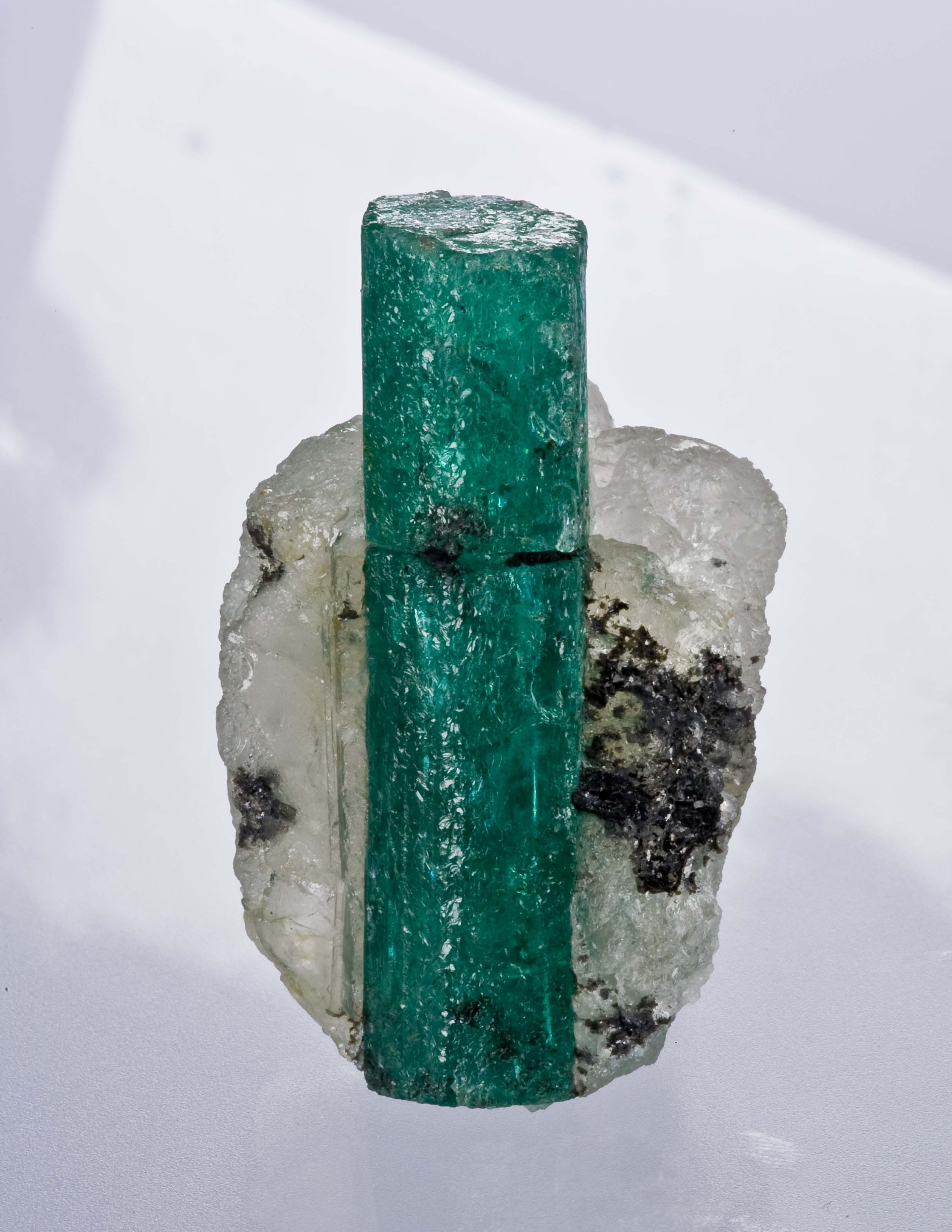
A treatment that changes how inclusions or fissures look, typically oil or resin in emeralds, or glass in a fractured ruby. The amount should be on the report.
Color origin
A laboratory’s conclusion about whether a diamond’s fancy color is natural or the result of treatment. Load-bearing for any fancy-color price.
Corundum
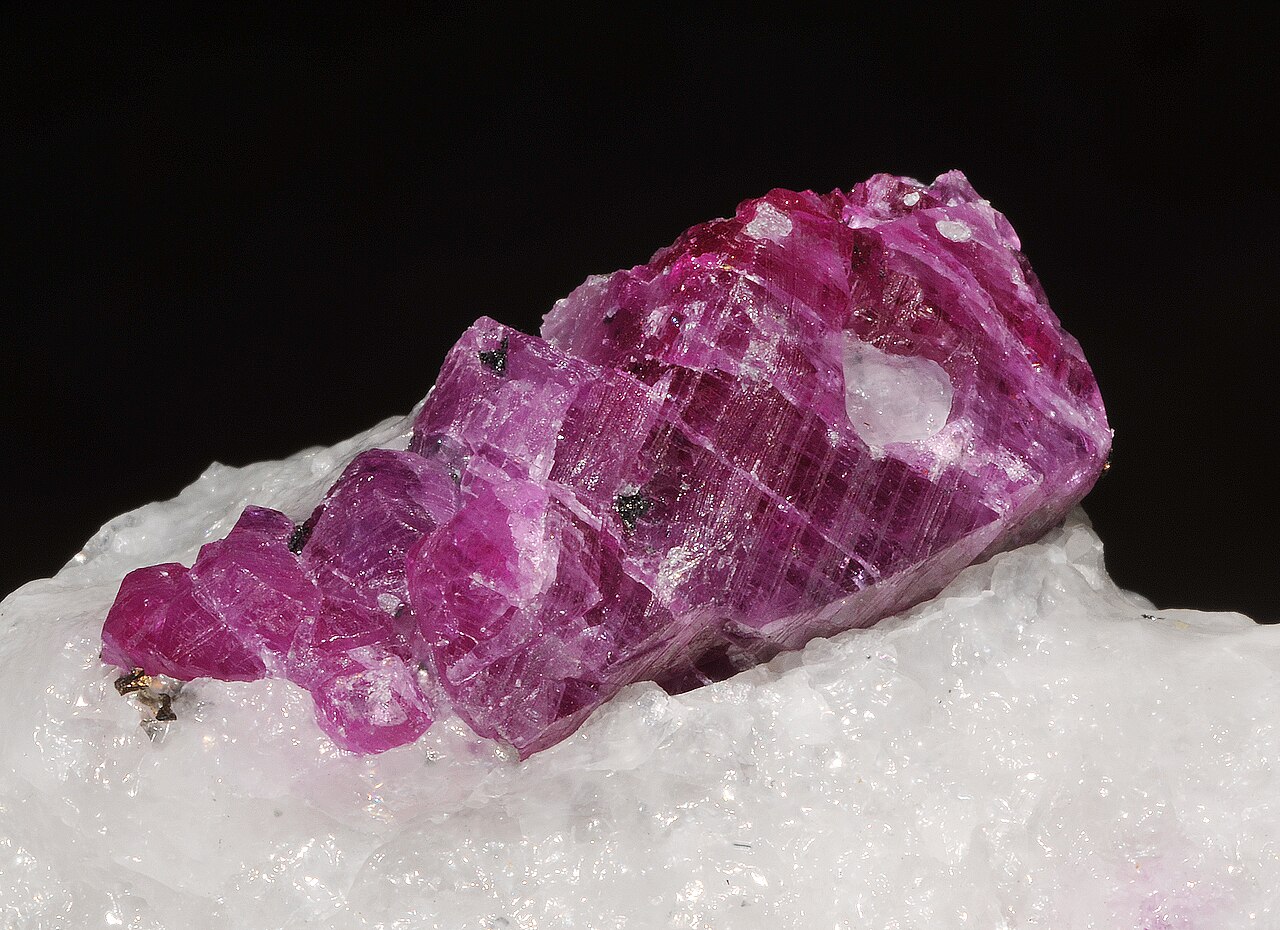
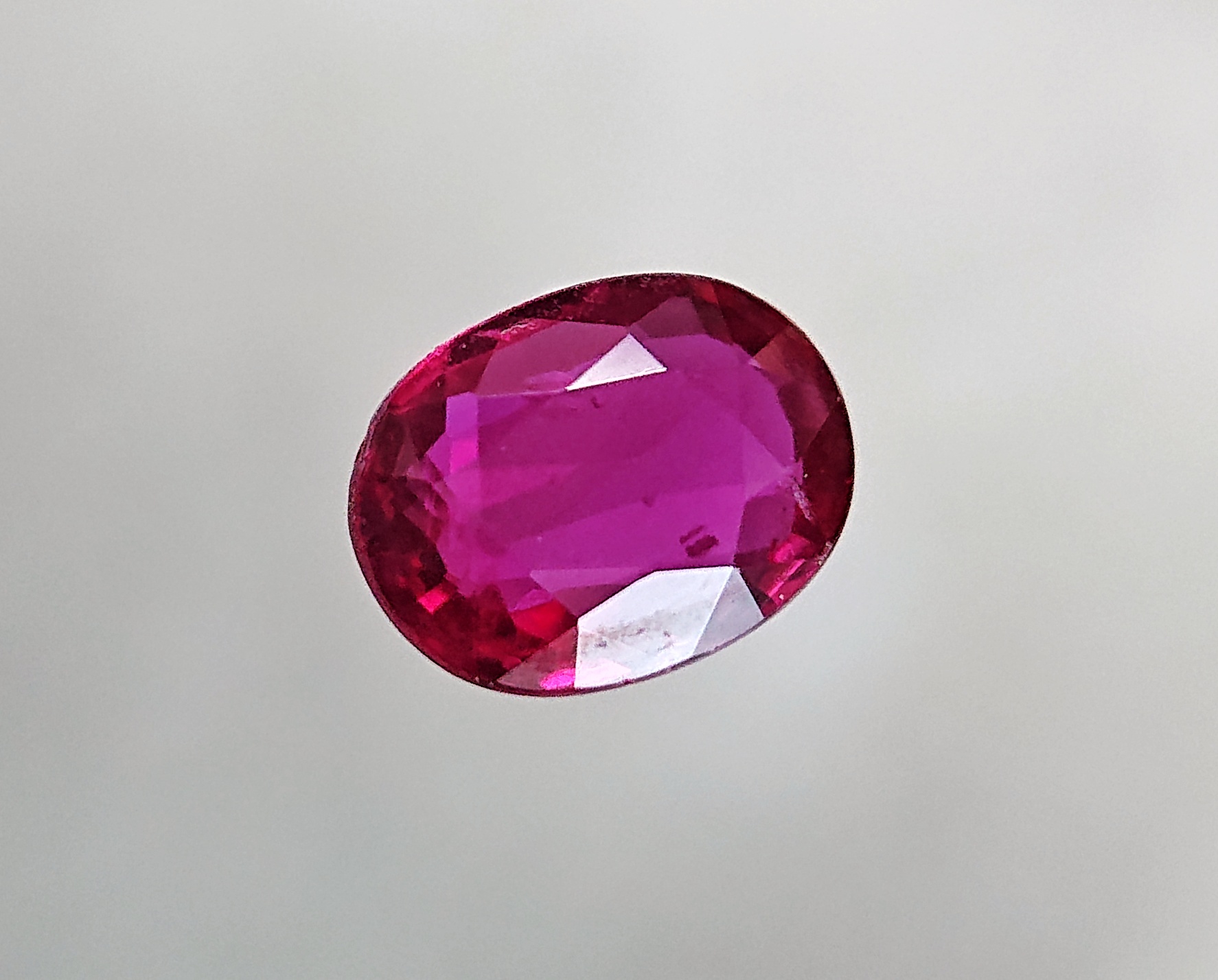
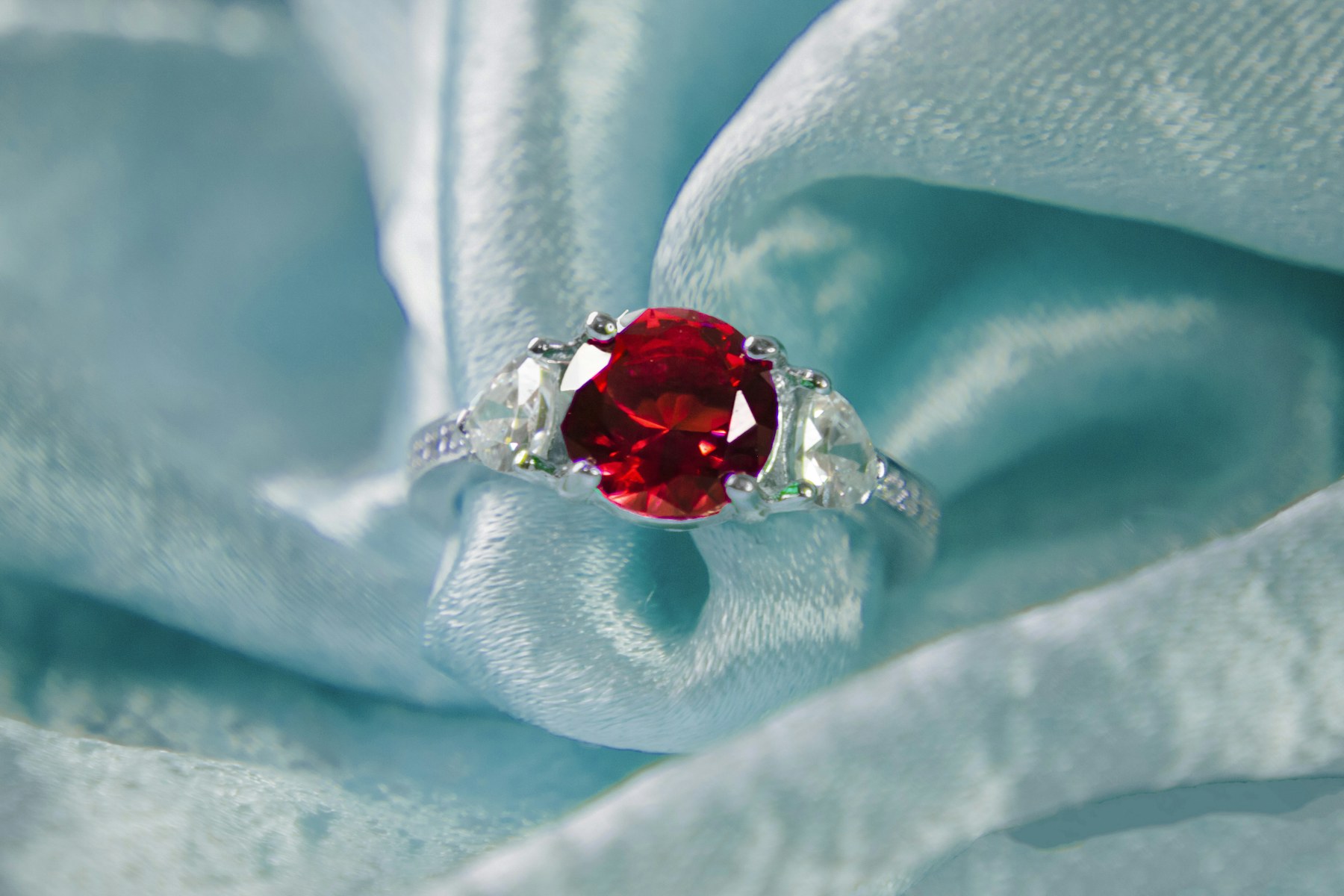
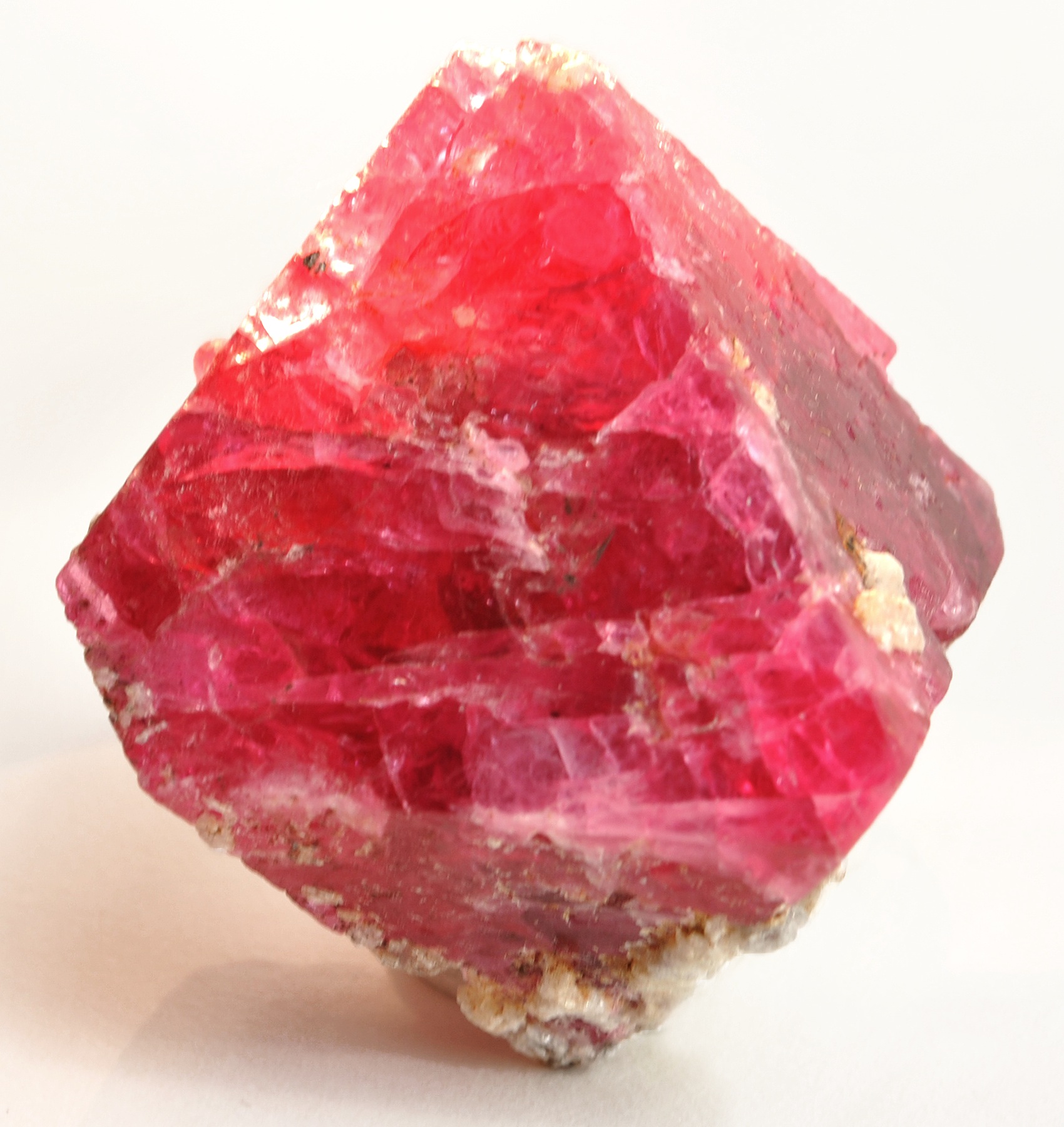
The mineral species of both ruby and sapphire. Ruby is the red variety. Sapphire is corundum of other colors. Spinel is a different mineral and has often been mistaken for both.
Diffusion
A treatment that drives color-causing elements into a stone at high temperature, sometimes only in a shallow layer. It must be disclosed and it is not the unheated market.
Extinction
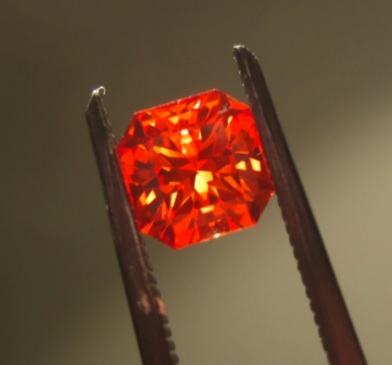
Dark areas in a colored stone where light is not returning to the eye. Some is inevitable. A stone that goes black when you look straight down has a cut problem or a color that only lives at an angle.
Eye-clean
A human judgment that inclusions are not obvious to the unaided eye. Not a clarity grade. Useful for beauty, weak as the only resale argument.
Fancy color
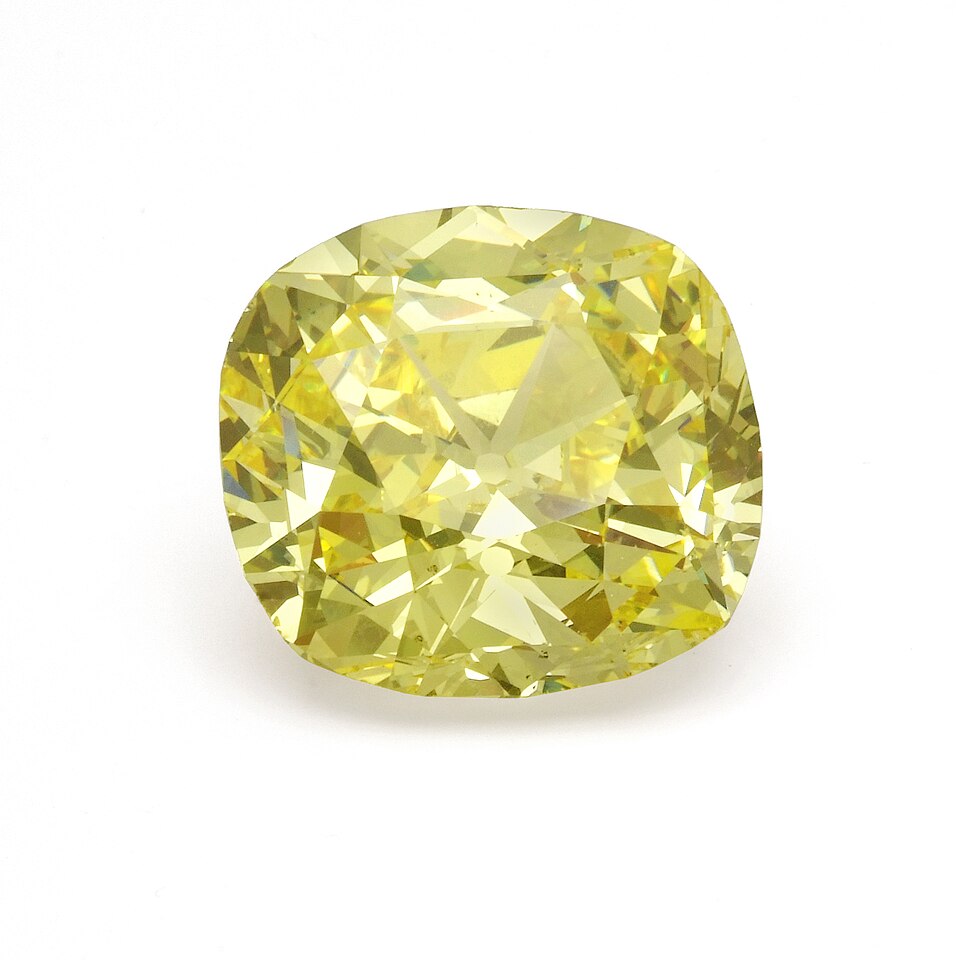
A diamond whose color is graded outside the D-to-Z colorless scale, on hue, tone, and saturation. Grades include Fancy Light, Fancy, Fancy Intense, and Fancy Vivid.
Fluorescence
A diamond’s reaction to ultraviolet light, graded from none to very strong. It can affect price and, in daylight, the way a near-colorless stone faces up.
Fracture filling
A treatment that hides cracks in a diamond with a glass-like substance. Serious disclosure. It can be damaged by heat and by some cleaning. It is not a minor footnote.
Glass filling
Usually lead glass introduced into a heavily fractured ruby or sapphire so it looks more continuous. A different and much less valuable object than an unheated ruby. Also called a composite in practical terms.
Hammer price
The last bid the auctioneer accepts, before the buyer’s premium. Not the number in most headlines.
Heat treatment
Heating corundum to improve color or clarity. Common, stable, and acceptable when disclosed. “No indications of heating” is a different and usually much higher market.
HPHT
High pressure, high temperature. A process used both to grow some diamonds and to alter the color of others. On a fancy-color report, you want to know if it was used.
Internally flawless
A diamond clarity grade: no inclusions seen at ten-power magnification, though the surface may not be flawless. The Pink Star’s grade. Not a word to apply to ruby.
Karat
Gold purity. 24 karat is pure gold. Unrelated to carat weight, despite the sound.
Kimberley Process
A certification scheme for rough diamonds crossing borders, aimed at conflict financing as the scheme defines it. Not a quality grade, and not a system for colored gems.
Laboratory-grown
A diamond (or other crystal) grown by people rather than in the earth. Chemically a diamond when it is diamond. A separate commercial market from rare natural stones, and one that must be disclosed.
Melee
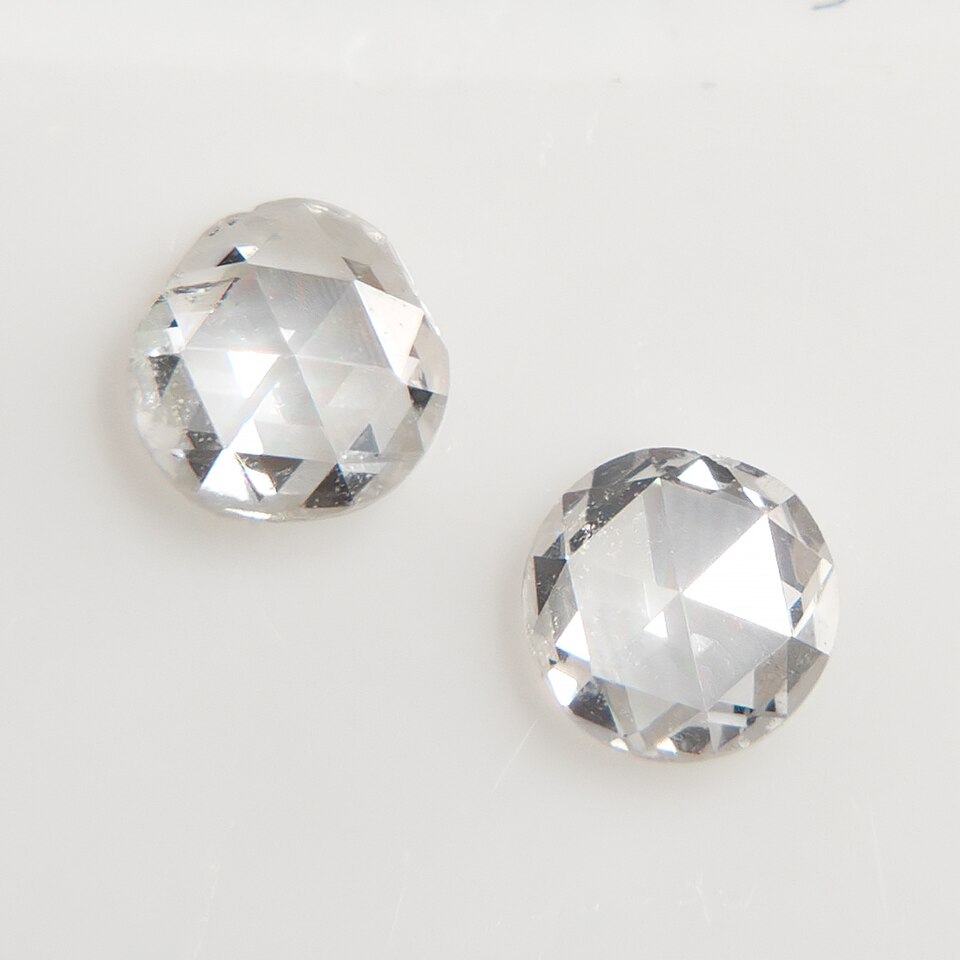
Very small diamonds used in quantity, in pavé and in jewelry production. A real market, a poor place to look for scarcity, and a market laboratory-grown stones have changed.
Origin opinion
A laboratory’s judgment of where a colored stone likely formed, based on inclusions and chemistry. Not a chain of custody from a named pit unless other documents build that chain.
Padparadscha
A trade name for sapphire of a delicate pink-orange. Laboratories and dealers do not draw the boundary in the same place. Buy the wording on a current report, not the romance of the word.
Pigeon blood
A trade term for a particular pure red in ruby. Some laboratories print it. Others only describe the color. It is not a unit of measurement you can carry between reports without translating.
Private treaty
A sale negotiated off the podium. Most of the trade. Often unpublished, which makes the price weak evidence for anyone who was not a party.
Reserve
The confidential floor a consignor sets at auction. If bidding stays below it, the lot is bought in.
Silk
Fine intersecting needles in corundum, often rutile. To a gemologist, silk can be a clue to natural origin and even to a geographic source. To a clarity chart alone, it is an inclusion.
Simulant
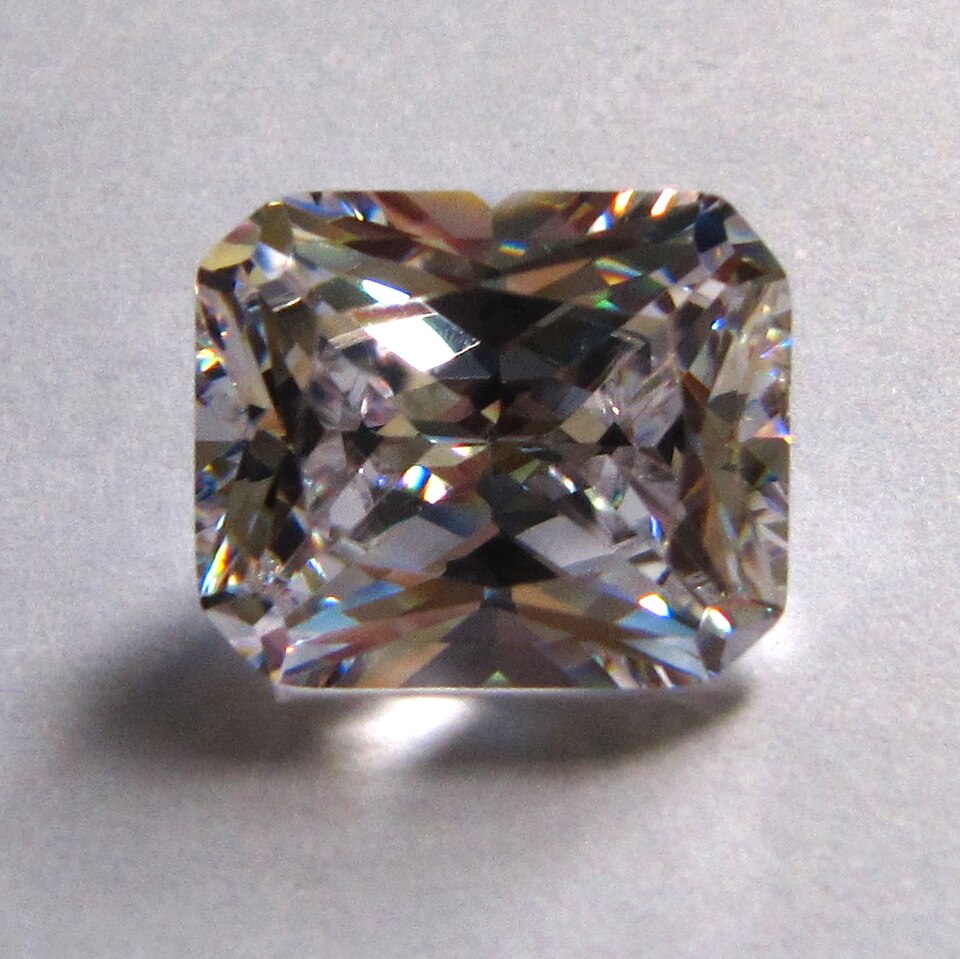
A material that imitates a gem without being that gem: glass, cubic zirconia, moissanite standing in for diamond. Different from a synthetic, which is the real mineral grown by people.
Sightholder
A firm entitled to buy rough from a major producer, historically De Beers, on a contract rather than on the open secondary market. A structure of supply, not a quality grade.
Spread
The gap between what a seller receives and what a buyer pays, or between a retail invoice and a dealer’s bid. In stones, the spread is wide compared with a public stock. That is a feature of the market, not a surprise you should meet later.
Synthetic
A gem mineral grown by people: a synthetic ruby is corundum. Also called laboratory-grown. It can be beautiful and must not be priced as a natural stone.
Tender
A sale to an invited group, used for exceptional rough and for some polished rarities. More structured than a private offer, less public than an auction.
Unheated
No evidence, in the laboratory’s judgment, that a ruby or sapphire was heat-treated. The premium sentence in fine corundum. Always read the surrounding comments for other treatments.
Window
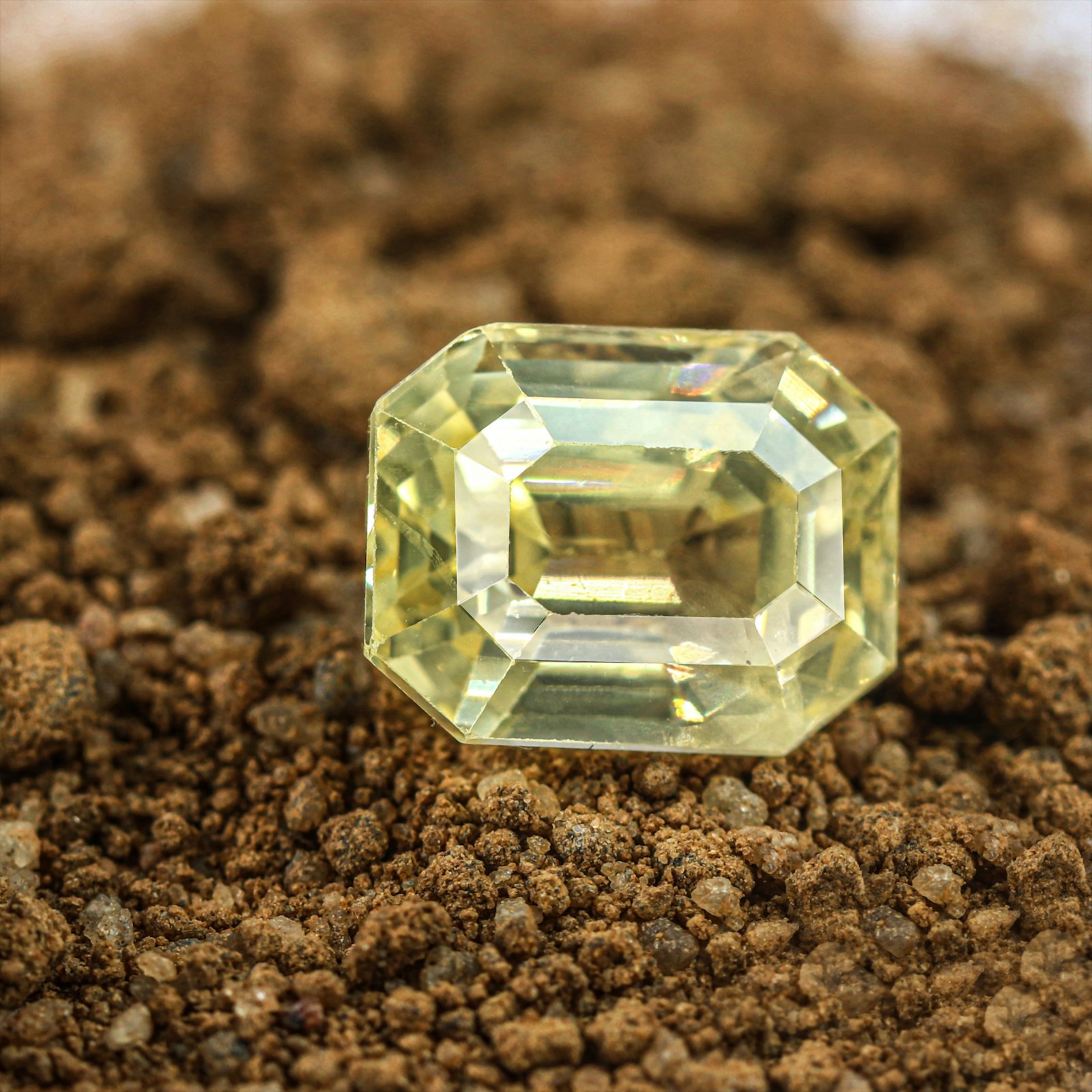
A pale area in a colored stone where you see through the pavilion instead of seeing color returned. A cutting issue, and a common reason a large stone is cheaper than its weight suggests.